I. The Role of Rotary Tiller Bearings
The bearings of a rotary tiller primarily support loads from rotating components, including rotational and vertical forces, ensuring stable, reliable, and efficient operation. During the process, the rotating parts of the tiller endure significant impact loads and wear. As critical supporting and connecting components, the bearings must possess high strength, wear resistance, and precision.
II. Bearing Structure of Rotary Tillers
The rotating parts of a rotary tiller consist of components such as the center disk, blades, auxiliary disks, and sector plates. The bearings are mainly categorized into center disk bearings and front/rear support bearings.
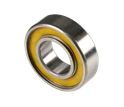
1. Center Disk Bearings: These are among the most important bearings in a rotary tiller, supporting and rotating the center disk assembly. They typically use ball bearings or roller bearings, which can withstand considerable combined loads and are suitable for high-speed rotation.
2. Front/Rear Support Bearings: These bearings are primarily used to support and rotate components such as the follower wheels, rolling plates, and axles. Common types include tapered roller bearings and angular contact ball bearings, which excel at handling significant radial and axial loads.
3. Other Bearings: The rotating parts of the rotary tiller may also include other bearings, such as support plate bearings and auxiliary disk bearings. While their roles are relatively minor, they are essential for the overall stable operation of the tiller.
III. Bearing Maintenance and Care
To ensure long-term stable operation of the rotary tiller, regular maintenance and care of the bearings are essential. Specific measures include:
1. Regular Cleaning: Periodically clean the bearings to reduce wear and friction.
2. Lubrication Attention: The lubrication condition of the bearings significantly impacts their lifespan and stability. Therefore, proper selection and maintenance of lubricants are crucial.
3. Wear Inspection: Regularly check the degree of wear on the bearings and replace overly worn parts in a timely manner.
4. Overload Prevention: Avoid applying excessive loads to the bearings during operation to prevent damage or failure.