


As a leading supplier of Solid Oil Bearings, I've witnessed firsthand the pivotal role that temperature plays in the performance of these essential components. Solid oil bearings are renowned for their long - term lubrication capabilities and low - maintenance requirements, making them a popular choice across various industries. However, understanding how temperature affects their performance is crucial for optimizing their use and ensuring maximum efficiency.
Basic Working Principle of Solid Oil Bearings
Before delving into the impact of temperature, it's essential to understand the basic working principle of solid oil bearings. Solid oil is a semi - solid lubricant that is pre - filled in the bearing. It consists of a base oil thickened with a special polymer matrix. When the bearing starts to rotate, the frictional heat causes the solid oil to gradually release the base oil, which then provides lubrication to the rolling elements and raceways. This self - regulating lubrication mechanism reduces friction, wear, and noise, extending the bearing's service life.
Influence of Low Temperature on Solid Oil Bearings
At low temperatures, the physical properties of solid oil change significantly. The base oil in the solid oil becomes more viscous, and the polymer matrix becomes stiffer. This increased viscosity can impede the flow of the base oil, making it more difficult for the lubricant to reach the contact areas between the rolling elements and the raceways. As a result, the friction coefficient in the bearing may increase, leading to higher power consumption and reduced efficiency.
In extreme low - temperature environments, the solid oil may even become brittle and crack. Cracks in the solid oil can cause uneven lubrication distribution within the bearing, increasing the risk of localized wear and premature failure. For applications in cold storage facilities or Arctic exploration equipment, it's crucial to select solid oil bearings specifically designed for low - temperature operation. Our Solid Oil Cylindrical Roller Bearings are engineered to maintain their lubrication performance even in frigid conditions, ensuring reliable operation.
Impact of High Temperature on Solid Oil Bearings
High temperatures pose a different set of challenges to solid oil bearings. As the temperature rises, the base oil in the solid oil begins to evaporate at a faster rate. This evaporation can lead to a decrease in the amount of lubricant available in the bearing, increasing the risk of metal - to - metal contact between the rolling elements and the raceways. Metal - to - metal contact results in severe wear, increased friction, and the generation of excessive heat, which can further accelerate the degradation of the solid oil.
Moreover, high temperatures can cause the polymer matrix in the solid oil to break down. When the polymer matrix deteriorates, the solid oil loses its ability to hold the base oil, leading to lubricant leakage. Lubricant leakage not only reduces the lubrication effectiveness but also contaminates the surrounding environment. In applications such as high - speed machinery or industrial ovens, where temperatures can reach extremely high levels, it's necessary to use solid oil bearings with high - temperature resistance. Our Solid Oil Self - aligning Roller Bearings are designed to withstand high temperatures, providing stable lubrication and extended service life under harsh thermal conditions.
Temperature - induced Expansion and Contraction
Another important aspect to consider is the expansion and contraction of the bearing components due to temperature changes. Both the bearing rings and the rolling elements expand when heated and contract when cooled. If the temperature variations are significant, this can lead to changes in the internal clearances of the bearing.
Increased temperature may cause the bearing components to expand, reducing the internal clearance. A too - small internal clearance can result in excessive pre - loading on the rolling elements, increasing stress and wear. On the other hand, a decrease in temperature causes the components to contract, potentially increasing the internal clearance. An excessively large internal clearance can lead to noise, vibration, and reduced bearing stability. Therefore, proper temperature management and selection of bearings with appropriate internal clearances are essential to ensure optimal bearing performance.
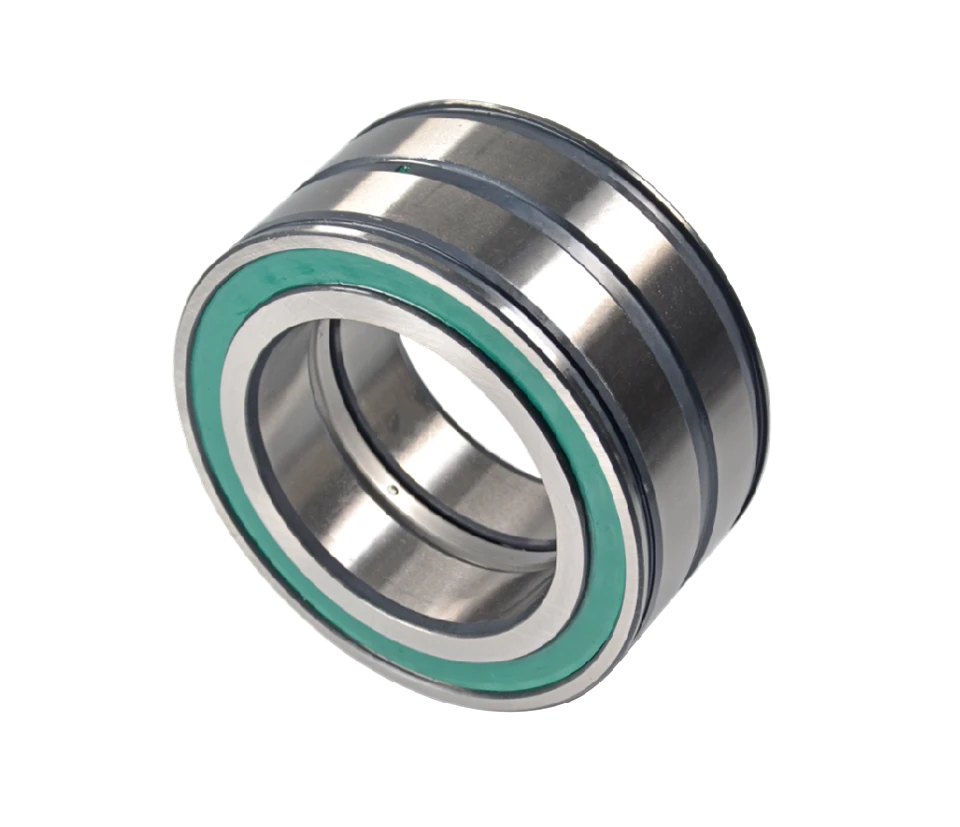

Optimal Temperature Range for Solid Oil Bearings
To ensure the best performance and longest service life of solid oil bearings, it's recommended to operate them within an optimal temperature range. Generally, the optimal temperature range for most solid oil bearings is between - 20°C and 80°C. However, this range can vary depending on the specific type of solid oil used and the bearing design.
For applications where the operating temperature is expected to deviate from this range, it's crucial to consult the bearing manufacturer or supplier. At our company, we have a team of experts who can provide customized solutions based on your specific temperature requirements. Whether you need bearings for cryogenic applications or high - temperature industrial processes, we can offer the right solid oil bearings to meet your needs.
The Importance of Temperature Monitoring
Given the critical role of temperature in the performance of solid oil bearings, continuous temperature monitoring is highly recommended. By installing temperature sensors on the bearing housing or near the bearing, it's possible to detect any abnormal temperature increases in a timely manner. An abnormal temperature rise can be an early indication of problems such as insufficient lubrication, excessive load, or misalignment.
Once an abnormal temperature is detected, appropriate measures can be taken to address the issue. This may include adjusting the operating conditions, inspecting the bearing for damage, or replacing the solid oil if necessary. Regular temperature monitoring helps prevent unexpected bearing failures, reduces maintenance costs, and improves the overall reliability of the equipment.
Applications and Temperature Considerations
Solid oil bearings find applications in a wide range of industries, each with its own unique temperature requirements. In the food and beverage industry, Food Standard Deep Groove Ball Bearings with Solid Oil are used in equipment such as conveyors and mixers. These bearings need to operate in a relatively clean environment with temperatures typically ranging from 0°C to 60°C. The solid oil in these bearings is designed to meet food safety standards and maintain its lubrication performance within this temperature range.
In the automotive industry, solid oil bearings are used in components such as electric motors and wheel hubs. Automotive applications can experience a wide range of temperatures, from sub - zero temperatures in winter to high temperatures during long - distance driving. Therefore, the solid oil bearings used in automotive applications need to be able to withstand these extreme temperature fluctuations.
Conclusion
In conclusion, temperature has a profound impact on the performance of solid oil bearings. Low temperatures can increase friction and cause lubrication issues, while high temperatures can lead to lubricant evaporation, degradation, and leakage. Temperature - induced expansion and contraction can also affect the internal clearances of the bearing, impacting its stability and service life.
As a professional solid oil bearing supplier, we understand the importance of temperature in bearing performance. We offer a wide range of solid oil bearings designed to meet the diverse temperature requirements of different industries. Whether you are facing low - temperature applications or high - temperature challenges, we have the right solutions for you.
If you are interested in learning more about our solid oil bearings or need assistance in selecting the appropriate bearings for your specific temperature conditions, please feel free to contact us. Our team of experts is ready to provide you with detailed information and support to ensure you make the best choice for your application.
References
- Harris, T. A., & Kotzalas, M. N. (2007). Rolling Bearing Analysis. John Wiley & Sons.
- Zorzi, C., & Ciavarella, M. (2015). A review of rolling contact fatigue: mechanisms, models and test methods. Philosophical Transactions of the Royal Society A: Mathematical, Physical and Engineering Sciences, 373(2048).


