


Measuring the size of a solid oil ball bearing is a crucial step in various industrial applications. As a supplier of Solid Oil Ball Bearings, I understand the importance of accurate measurements for ensuring the proper functioning and compatibility of these bearings in different machinery. In this blog post, I will discuss the various methods and tools used to measure the size of solid oil ball bearings, and how these measurements impact the performance of the bearings.
Why Accurate Measurements Matter
Before delving into the measurement techniques, it's essential to understand why accurate size measurements are so important for solid oil ball bearings. These bearings are used in a wide range of industries, including automotive, aerospace, and manufacturing. In each of these applications, the bearings must fit precisely into the machinery to ensure smooth operation and prevent premature wear and tear.
Incorrectly sized bearings can lead to a variety of problems, such as increased friction, vibration, and noise. These issues can not only reduce the efficiency of the machinery but also cause significant damage over time. Additionally, in industries where precision is critical, such as aerospace, even the slightest deviation from the required size can have serious consequences.
Key Dimensions of Solid Oil Ball Bearings
Solid oil ball bearings have several key dimensions that need to be measured accurately. These include:
- Inner Diameter (ID): This is the diameter of the hole in the center of the bearing. It is crucial for ensuring a proper fit on the shaft.
- Outer Diameter (OD): The outer diameter of the bearing is the measurement across the outside of the bearing. It determines how the bearing will fit into the housing.
- Width (W): The width of the bearing is the measurement from one side of the bearing to the other. It affects the overall size and stability of the bearing in the application.
- Ball Diameter: The diameter of the balls inside the bearing is also an important dimension. It influences the load - carrying capacity and the smoothness of the bearing's operation.
Tools for Measuring Solid Oil Ball Bearings
There are several tools available for measuring the size of solid oil ball bearings. Each tool has its own advantages and is suitable for different types of measurements.
Vernier Calipers
Vernier calipers are one of the most commonly used tools for measuring the dimensions of solid oil ball bearings. They can measure both the inner and outer diameters, as well as the width of the bearing with high precision. Vernier calipers have a main scale and a sliding vernier scale, which allows for accurate readings up to a few thousandths of an inch or a fraction of a millimeter.
Micrometers
Micrometers are another popular choice for measuring bearing dimensions. They are more accurate than vernier calipers and are especially useful for measuring the ball diameter and small tolerances. There are different types of micrometers, such as outside micrometers for measuring outer diameters and inside micrometers for measuring inner diameters.
Dial Indicators
Dial indicators are used to measure small displacements and can be used to check the roundness and concentricity of the bearing. They are often used in combination with other measuring tools to ensure the overall quality and accuracy of the bearing.
Step - by - Step Measurement Process
Measuring the Inner Diameter
- Select a suitable measuring tool, such as a vernier caliper or an inside micrometer.
- Clean the inside of the bearing to remove any dirt or debris that could affect the measurement.
- Insert the measuring tool into the bearing carefully, making sure it is centered.
- Take the measurement and record the value. It is advisable to take multiple measurements at different points around the inner diameter to ensure accuracy.
Measuring the Outer Diameter
- Choose an appropriate tool, such as a vernier caliper or an outside micrometer.
- Clean the outer surface of the bearing.
- Place the measuring tool around the bearing, ensuring it is perpendicular to the axis of the bearing.
- Take the measurement and note down the value. Similar to the inner diameter measurement, multiple measurements at different positions around the outer diameter are recommended.
Measuring the Width
- Use a vernier caliper or a micrometer to measure the width of the bearing.
- Place the measuring tool on the two sides of the bearing, making sure it is in contact with the flat surfaces.
- Take the measurement and record it.
Measuring the Ball Diameter
- Use a micrometer to measure the diameter of the balls.
- Carefully pick up a ball from the bearing and place it between the anvil and spindle of the micrometer.
- Take the measurement. If there are multiple balls in the bearing, it is a good practice to measure a few balls to ensure consistency.
Impact of Size on Bearing Performance
The size of a solid oil ball bearing has a direct impact on its performance. For example, if the inner diameter is too large, the bearing may slip on the shaft, causing misalignment and increased wear. On the other hand, if the inner diameter is too small, it can lead to excessive stress on the shaft and the bearing, potentially causing damage.
The outer diameter also plays a crucial role. If it is too large, the bearing may not fit properly into the housing, leading to vibration and noise. If it is too small, there may be insufficient support, which can result in premature failure of the bearing.
The width of the bearing affects its load - carrying capacity. A wider bearing can generally handle more load, but it also requires more space in the application. The ball diameter influences the smoothness of the bearing's rotation. Balls that are too large or too small can cause uneven wear and reduced efficiency.

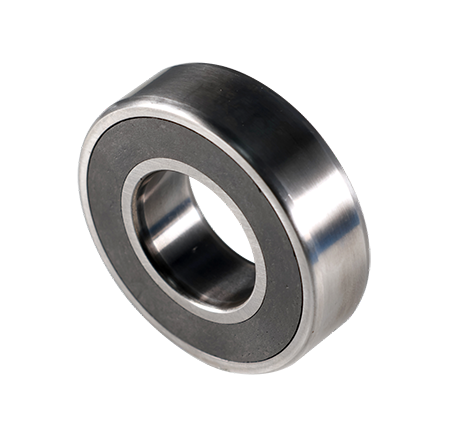
Our Solid Oil Ball Bearing Products
As a supplier of solid oil ball bearings, we offer a wide range of products to meet the diverse needs of our customers. Our Graphene Lubricating Bearing is designed with advanced graphene lubrication technology, providing excellent lubrication and reducing friction. The Food Standard Deep Groove Ball Bearings with Solid Oil are suitable for applications in the food industry, where hygiene is of utmost importance. And our Solid Oil Thrust Ball Bearing is designed to handle axial loads effectively.
Contact Us for Purchase and Consultation
If you are in need of high - quality solid oil ball bearings or have any questions about measuring their size, we are here to help. Our team of experts can provide you with detailed information about our products and assist you in choosing the right bearings for your specific application. Whether you are a small - scale manufacturer or a large industrial enterprise, we are committed to providing you with the best solutions.
References
- "Bearing Handbook" by SKF
- "Mechanical Engineering Design" by Joseph E. Shigley and Charles R. Mischke


