


Hey there! As a supplier of Solid Oil Ball Bearings, I've seen firsthand how crucial it is to pick the right bearings for your equipment. It's not just about slapping any bearing in there; it can make or break your machinery's performance. So, let's dive into how you can choose the perfect solid oil ball bearings for your gear.
Understanding Your Equipment's Needs
First things first, you gotta know what your equipment is all about. What kind of load does it handle? Is it a light - duty machine or a heavy - hitter? There are two main types of loads: radial and axial. Radial loads act perpendicular to the shaft, like in a car wheel bearing. Axial loads, on the other hand, act parallel to the shaft, such as in a screw conveyor.
If your equipment has mainly radial loads, you'll want bearings that are designed to handle that kind of stress. For example, Food Standard Deep Groove Ball Bearings with Solid Oil are great for radial loads. They have deep raceways that allow the balls to roll smoothly under radial forces.
The speed at which your equipment operates is also a big deal. High - speed machinery needs bearings that can handle the heat and friction generated at those speeds. You don't want a bearing that'll start to wear out quickly because it can't keep up.
Environmental Factors
The environment where your equipment is used plays a huge role in bearing selection. If your machinery is in a dirty or dusty environment, you need bearings that can resist contamination. Solid oil in ball bearings is a great advantage here. It acts as a barrier, preventing dirt and debris from getting into the bearing and causing damage.
In wet or corrosive environments, you'll need bearings that are corrosion - resistant. Some solid oil ball bearings are made with special materials or coatings to withstand these harsh conditions. For instance, Graphene Lubricating Bearing offers excellent lubrication and can also provide some level of protection against corrosion due to the properties of graphene.
Temperature is another environmental factor. Extreme cold or hot temperatures can affect the performance of bearings. In high - temperature environments, the solid oil needs to have a high melting point so that it doesn't break down. In cold temperatures, the bearing should still be able to function smoothly without becoming too stiff.
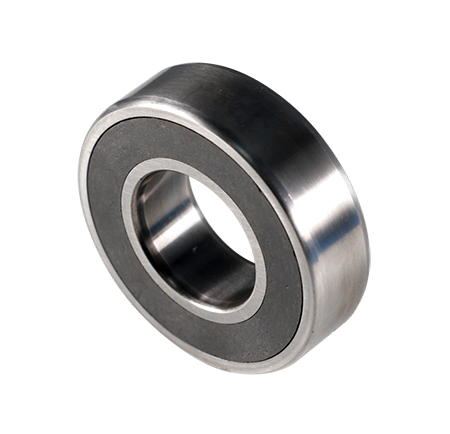

Bearing Size and Fit
Getting the right size of the bearing is super important. A bearing that's too small won't be able to handle the load, and it'll wear out quickly. A bearing that's too large can cause alignment issues and may not fit properly in your equipment.
You need to measure the bore diameter (the inner diameter of the bearing), the outer diameter, and the width of the bearing. Make sure these measurements match the specifications of your equipment. It's also important to consider the fit between the bearing and the shaft and the housing. A proper fit ensures that the bearing can operate efficiently and reduces the risk of premature failure.
Lubrication Requirements
One of the main benefits of solid oil ball bearings is the lubrication they provide. Solid oil offers long - lasting lubrication, which means less maintenance for you. It reduces friction between the balls and the raceways, which in turn reduces wear and tear and extends the life of the bearing.
However, different applications may have different lubrication requirements. If your equipment operates under heavy loads or high speeds, you may need a bearing with a higher - performance solid oil. Some solid oils are formulated to provide better lubrication in specific conditions, such as high - temperature or high - pressure environments.
Noise and Vibration
In some applications, noise and vibration can be a big issue. For example, in precision equipment or in environments where noise needs to be kept to a minimum, you'll want bearings that operate quietly. Solid oil ball bearings can help reduce noise and vibration because the solid oil acts as a damping material.
Solid Oil Thrust Ball Bearing is designed to handle axial loads and can also offer smooth operation with reduced noise. When choosing a bearing, consider the noise and vibration levels that your equipment can tolerate.
Cost - Effectiveness
Of course, cost is always a factor. You want to get the best value for your money. While it may be tempting to go for the cheapest option, remember that quality matters. A high - quality solid oil ball bearing may cost more upfront, but it can save you money in the long run by reducing maintenance costs and downtime.
Look for a balance between cost and performance. Evaluate the expected lifespan of the bearing, the maintenance requirements, and the impact on your equipment's overall performance. Sometimes, investing a little more in a better - quality bearing can pay off big time.
Manufacturer and Quality Assurance
When choosing solid oil ball bearings, it's important to buy from a reputable manufacturer. A good manufacturer will have strict quality control processes in place to ensure that their bearings meet industry standards. They'll also provide technical support and after - sales service.
Check for certifications and quality marks. These can give you an idea of the bearing's quality and performance. You can also look for customer reviews and testimonials to see what other users have to say about the manufacturer's products.
Making the Final Decision
Once you've considered all these factors, it's time to make a decision. Take your time to compare different bearings and manufacturers. Don't be afraid to ask questions and get more information.
If you're still not sure which bearing is right for your equipment, feel free to reach out. As a solid oil ball bearings supplier, I'm here to help you make the best choice. Whether you need more details about the products, assistance with installation, or advice on maintenance, I've got you covered.
In conclusion, choosing the right solid oil ball bearings for your equipment is a multi - step process. It involves understanding your equipment's needs, considering environmental factors, getting the right size and fit, evaluating lubrication requirements, and factoring in cost - effectiveness. By taking the time to make an informed decision, you can ensure that your equipment runs smoothly and efficiently for a long time.
If you're interested in purchasing solid oil ball bearings or have any questions about our products, don't hesitate to contact us. We're ready to assist you in finding the perfect bearings for your specific application.
References
- "Bearing Selection Handbook" by SKF
- "Mechanical Design of Machine Elements and Machines: A Failure - Prevention Perspective" by Robert L. Norton


