


Hey there! As a supplier of Solid Oil Bearings, I've been getting a lot of questions lately about how these bad boys stack up against traditional bearings. So, I thought I'd take a deep dive into the topic and share my insights with you all.
Let's start with the basics. Traditional bearings have been around for ages. They typically rely on liquid lubricants, like oil or grease, to reduce friction between moving parts. This lubrication is crucial because it helps prevent wear and tear, keeps the bearings running smoothly, and extends their lifespan. But there are some downsides.
One of the biggest issues with traditional bearings is the maintenance. Liquid lubricants need to be replenished regularly. If you don't do this, the bearings can overheat, and the lack of proper lubrication can lead to premature failure. It's like having a car that needs an oil change every few months – it's a hassle, and if you forget, you could end up with some serious problems.

Another problem is leakage. Liquid lubricants can leak out of the bearings, especially in high - speed or high - temperature applications. This not only creates a mess but also reduces the effectiveness of the lubrication. And let's not forget about the environmental impact. Leaked lubricants can contaminate the surrounding area, which is a big no - no in many industries.
Now, let's talk about Solid Oil Bearings. Solid oil is a unique lubrication technology where the lubricant is in a solid state. It's basically a special kind of grease that has been solidified. This solid form offers some amazing advantages.
First off, maintenance is a breeze. With Solid Oil Bearings, you don't have to worry about regular lubricant replenishment. The solid oil is designed to release lubrication gradually over time, providing long - term and consistent lubrication. It's like having a self - sustaining system. You can install these bearings and pretty much forget about them for a long time, which saves you a ton of time and money on maintenance.
When it comes to leakage, Solid Oil Bearings are a game - changer. Since the lubricant is in a solid state, there's no risk of it leaking out. This makes them ideal for applications where cleanliness is a priority, such as in the food and beverage industry or in cleanroom environments. You don't have to worry about your products getting contaminated by leaked lubricants.
In terms of performance, Solid Oil Bearings can handle a wide range of temperatures and speeds. The solid oil has excellent thermal stability, which means it can maintain its lubricating properties even in extreme conditions. Whether you're dealing with high - speed machinery or low - temperature environments, Solid Oil Bearings can keep up.
Let's take a look at some specific types of Solid Oil Bearings.
The Solid Oil Outer Spherical Bearing is great for applications that require self - alignment. These bearings can compensate for misalignment between the shaft and the housing, which is common in many industrial setups. The solid oil ensures smooth operation and reduces the risk of premature wear.
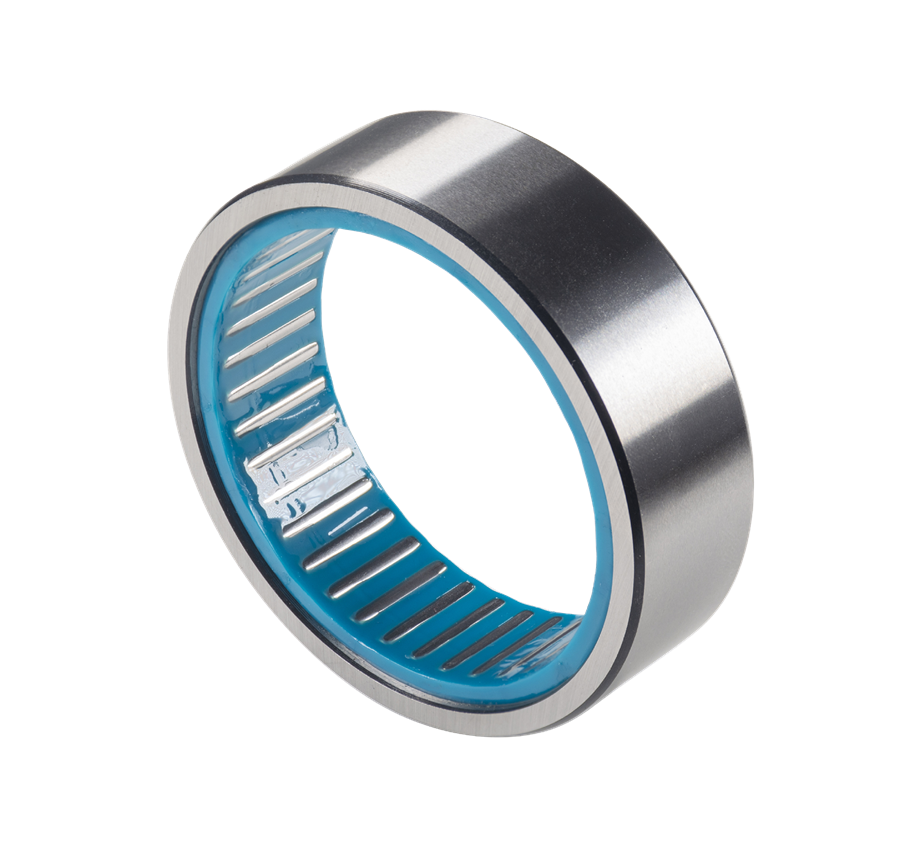
The Solid Oil Needle Roller Bearing is designed for applications where space is limited but high load - carrying capacity is required. The needle rollers can handle heavy loads, and the solid oil provides reliable lubrication, even in tight spaces.
And then there are the Solid Oil Tapered Roller Bearings. These are used in applications that experience both radial and axial loads, such as in automotive transmissions. The solid oil helps to reduce friction and wear, improving the overall efficiency and durability of the bearings.
In terms of cost, while Solid Oil Bearings may have a slightly higher upfront cost compared to traditional bearings, the long - term savings are significant. You save on maintenance costs, and the reduced risk of bearing failure means less downtime. Downtime in industrial applications can be extremely costly, so the investment in Solid Oil Bearings pays off in the long run.
In conclusion, Solid Oil Bearings offer a lot of advantages over traditional bearings. They are more convenient, cleaner, and can perform better in a variety of conditions. If you're tired of dealing with the hassle of traditional bearings and want a more reliable and cost - effective solution, then Solid Oil Bearings are definitely worth considering.
If you're interested in learning more about our Solid Oil Bearings or want to discuss a potential purchase, don't hesitate to reach out. We're here to help you find the right bearings for your specific needs. Whether you're in the manufacturing, automotive, or any other industry, we've got the products and expertise to support you.
References
- "Bearing Handbook" by SKF
- "Lubrication Fundamentals" by ASTM International


